Local moving companies often begin by preparing furniture before anything is loaded onto the truck. Large pieces such as sofas, tables, dressers, bed frames, and cabinets may need to be wrapped, padded, or partially disassembled to make them easier to transport. Movers typically use protective blankets, plastic wrap, straps, and other materials to reduce the chance of scratches or dents during handling. Smaller removable parts may be packed separately and labeled so they can be matched with the correct furniture later. Careful preparation helps make loading more efficient and can also protect doorways, walls, and floors during the moving process.
Organizing and Handling Boxes
Boxes usually make up a large portion of any residential or commercial move, so organization is important. Movers often encourage customers to label boxes clearly by room, contents, or priority. Heavier boxes are typically placed toward the bottom of stacks, while lighter or fragile boxes are positioned above them. Proper packing can make a major difference in how safely items travel. Boxes should be strong enough for their contents and sealed securely to prevent them from opening in transit. Some moving companies also provide packing guidance through a Blog or other online resources to help customers prepare before moving day.
Loading Items Into the Moving Truck
Once everything is prepared, movers load the truck strategically. Large and heavy furniture is often positioned first to create a stable base, while boxes and smaller items are placed around it to make efficient use of available space. Movers may use straps or tie-downs to prevent furniture from shifting while the truck is in motion. Fragile belongings are generally placed where they are less likely to be crushed or moved around. This careful arrangement helps reduce damage and allows teams to unload items in a more organized way once they reach the destination.
Managing Stored Belongings
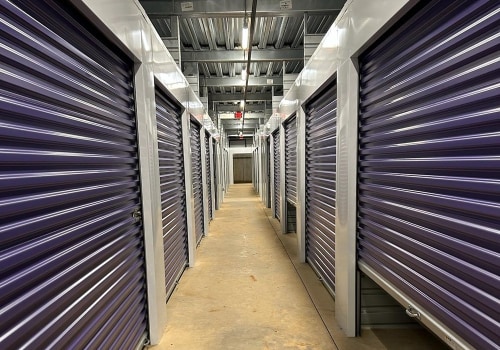
Not every item moves directly from one property to another. Customers may need temporary storage during renovations, lease transitions, downsizing, or delayed move-in dates. Local moving companies may coordinate transportation to a storage facility or help customers organize belongings for short-term or long-term storage. Items placed in storage are often packed more carefully because they may remain untouched for an extended period. Furniture may be covered, boxes may be labeled by category, and frequently needed items may be positioned closer to the front for easier access.
Protecting Fragile and Valuable Items
Fragile belongings require additional attention during both moving and storage. Glassware, mirrors, artwork, electronics, lamps, and decorative pieces may need extra padding or specialized boxes. Movers often separate these items from heavier furniture and mark them clearly so everyone handling the shipment understands that additional care is required. Customers may also choose to transport particularly valuable personal items themselves, depending on the situation and moving company policies.
Creating a More Organized Moving Experience
The way furniture, boxes, and stored belongings are handled can have a significant impact on the overall moving experience. Professional organization helps reduce confusion, prevents items from being misplaced, and makes both loading and unloading more efficient. By preparing furniture properly, labeling boxes, arranging the truck strategically, and planning for storage when needed, local moving companies can create a smoother process from beginning to end. A structured approach also helps customers settle into their new location more easily because their belongings arrive organized and ready to be unpacked.